Electrolytes are minerals that carry an electric charge when dissolved in your body's fluids. These include blood, sweat, and the fluid inside and around your cells.
The main five are sodium, potassium, calcium, magnesium, and chloride. Each one plays a specific role. Together, they keep your body's electrical and chemical systems running.
That electric charge is how your nerves send signals and your muscles know when to contract.
What electrolytes actually do
Electrolytes aren't just "hydration support." They run important systems at once:
- Fluid balance. Sodium and potassium control how water moves in and out of your cells. Too little of either, and your body struggles to hold onto fluid. Regardless of how much water you drink.
- Nerve signals. Every thought, reflex, and heartbeat depends on electrical impulses. Electrolytes carry those signals between your brain, nerves, and muscles.
- Muscle contraction. Calcium and magnesium work with sodium and potassium to tell your muscles when to fire and when to relax. Low levels are a common cause of cramping.
- pH balance. Electrolytes help keep your blood's acidity in the narrow range your body needs to function properly.
Lose enough of them, and these systems start to slip — before you're even seriously dehydrated.
How you lose electrolytes

You lose electrolytes every day through sweat and urine. Normally, a balanced diet replaces what you lose. Three things speed up the loss faster than your diet can keep up:
- Heat. Living or training in a hot climate — like the UAE — means you sweat more, more often, even without exercise.
- Exercise. The harder and longer you train, the more sodium and potassium you lose through sweat.
- Illness. Vomiting, diarrhoea, or fever can deplete electrolytes fast.
This is why the same workout that feels manageable in a cool climate can leave you drained in Dubai's summer. Your body isn't just losing water. It's losing the minerals that make water usable.
The signs you're running low
Electrolyte imbalance doesn't always look dramatic. Watch for:
- Muscle cramps or twitches
- Fatigue that doesn't match your effort level
- Headaches
- Brain fog or difficulty concentrating
- Dizziness, especially standing up quickly
Any one of these can have other causes. But if they show up after sweating heavily — training, heat, travel — electrolytes are the first thing worth checking.
Why water alone isn't the fix
Plain water rehydrates volume, not function. When you're low on electrolytes and you drink water without them, you dilute the sodium concentration in your blood further. In some cases, this can make symptoms worse, not better.
This is why athletes and people in hot climates don't just need more water. They need water with the right minerals in it.
How to replenish electrolytes properly
For most people on a normal day, a balanced diet covers it as it includes foods with natural sodium, potassium, and magnesium . Bananas, leafy greens, nuts, and salted foods all contribute.
But on high-sweat days (training sessions, hot commutes, long days outdoors) diet alone often can't keep pace. That's where a formulated electrolyte drink earns its place: replacing what you lose, in the ratios your body actually needs, without excess sugar.
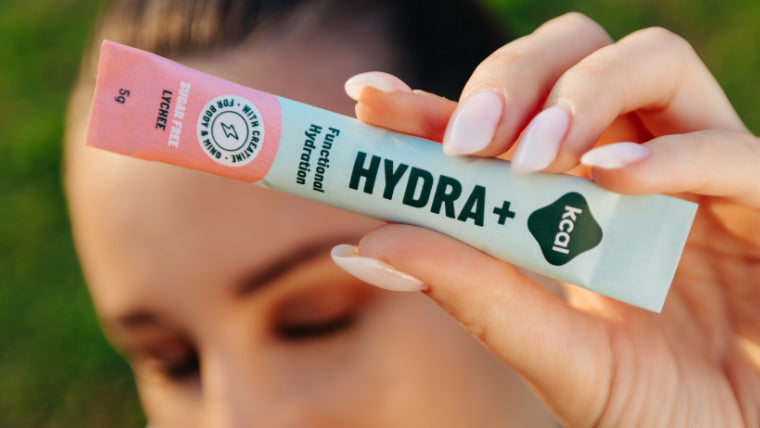
This is the gap Hydra+ is built for. Each sachet delivers a precise electrolyte blend alongside creatine, so you're replenishing hydration and supporting mental and physical performance in the same drink. See the story behind Hydra+
The bottom line
Electrolytes are the minerals that keep your fluid balance, nerves, and muscles working. You lose them daily, faster in heat or during exercise, and water alone can't replace them. When you understand what's actually happening in your body, "drink more water" stops being the whole answer. Replacing electrolytes properly becomes the obvious next step.
FAQ
What are the main electrolytes in the body?
Sodium, potassium, calcium, magnesium, and chloride. Each supports fluid balance, nerve function, or muscle contraction.
Can you have too many electrolytes?
Yes. Excess sodium or potassium can cause its own problems, which is why ratio matters more than raw quantity.
Do I need electrolytes if I'm not exercising?
If you're in a hot climate or losing fluids through illness, yes. Heat alone increases sweat loss even without physical activity.