Yes, electrolytes are good for you: your body cannot function without them. Sodium, potassium, calcium, and magnesium regulate your fluid balance, nerve signals, muscle contractions, and heart rhythm every hour of every day. But whether supplementing electrolytes is good for you depends on how much you take, in what form, and whether you actually need them. For most healthy people, food and water cover it.
For specific situations, heavy sweating, illness, intense exercise, a formulated electrolyte drink adds real value. For a smaller group of people, including those with kidney disease or high blood pressure, added electrolytes can do more harm than good.
Here's what the evidence says.
Electrolytes themselves are essential, not optional

Electrolytes aren't a wellness trend, they're a basic requirement for staying alive. According to Cleveland Clinic, electrolytes regulate chemical reactions in the body and maintain the balance of fluids inside and outside your cells. The American Heart Association notes that even everyday foods most people already eat, fruits, vegetables, grains, dairy, and certain fish, supply the electrolytes the body needs.
In this sense, the question isn't really "are electrolytes good for you." It's closer to "are electrolytes necessary for you", and the answer is unambiguously yes.
Most people already get enough electrolytes from food and water

If you eat a reasonably balanced diet and aren't losing unusual amounts of fluid, you likely don't need extra electrolytes. Harvard Health states plainly that if you're eating a balanced diet and don't participate in extreme physical activity, you're probably getting all the electrolytes you need from food. UT MD Anderson's wellness dietitian Lindsey Wohlford echoes this, noting that most people can get enough electrolytes through a balanced diet and plain water.
This matters because it reframes the real question: not "should I be drinking electrolytes," but "am I in a situation where my body is losing more than usual."
Electrolyte drinks provide the most benefit during heavy sweating, illness, or intense exercise

The clearest, most evidence-backed case for supplemental electrolytes is fluid loss beyond what normal eating and drinking replace. The American Heart Association points to people working long hours outdoors in hot, dry climates, athletes doing prolonged vigorous exercise, and children with extended vomiting or diarrhoea as groups most likely to benefit. Cleveland Clinic sports dietitian Kate Patton adds that a sports or electrolyte drink is a good choice specifically during or after a long workout, where the benefits are clearest.
Outside of those situations, the evidence for supplementing is much weaker, which is why "good for you" depends heavily on context, not just the ingredient itself.
Too many electrolytes can cause the same symptoms as too few
Electrolytes work within a narrow range, and more is not automatically better. Cleveland Clinic warns that excess electrolytes can create imbalances and health issues just like deficiencies can, and the American Heart Association notes that overuse can lead to heart rhythm issues, fatigue, and nausea, symptoms that can look similar to not having enough. Banner Health lists specific risks of overdoing it: high sodium levels can cause confusion or, in severe cases, seizures, while high potassium levels can cause irregular heartbeats.
This is why "drink more electrolytes to be safe" isn't good advice. The goal is replacing what you've actually lost, not maximising intake.
People with kidney disease, high blood pressure, or heart conditions should be cautious
Electrolyte supplementation isn't universally safe, and this is the group it matters most for. INTEGRIS Health advises that people with kidney problems may struggle to process extra electrolytes safely, and that people with heart conditions or high blood pressure should be careful, since many electrolyte drinks are high in sodium. Banner Health gives the same guidance: if you have high blood pressure or kidney disease, choose low-sodium options and talk to a healthcare provider before adding electrolytes to your routine.
If you fall into one of these categories, "are electrolytes good for you" has a more conditional answer, and it's worth a conversation with your doctor before adding a daily electrolyte drink.
Sugar content is what separates a helpful electrolyte drink from a harmful one
A meaningful part of the "electrolyte drinks are bad for you" narrative isn't about the electrolytes at all: it's about what else is in the bottle. Banner Health points out that a 20-ounce bottle of regular Gatorade contains 34 grams of sugar, close to the American Heart Association's full daily sugar limit for women. AdventHealth notes that consuming too much added sugar from these drinks can contribute to weight gain and increased Type 2 diabetes risk over time.
This is the practical filter worth applying: an electrolyte drink formulated with minimal or no added sugar is a different product, health-wise, than a traditional neon sports drink, even though both are technically "electrolyte drinks."
Where Hydra+ fits into this picture
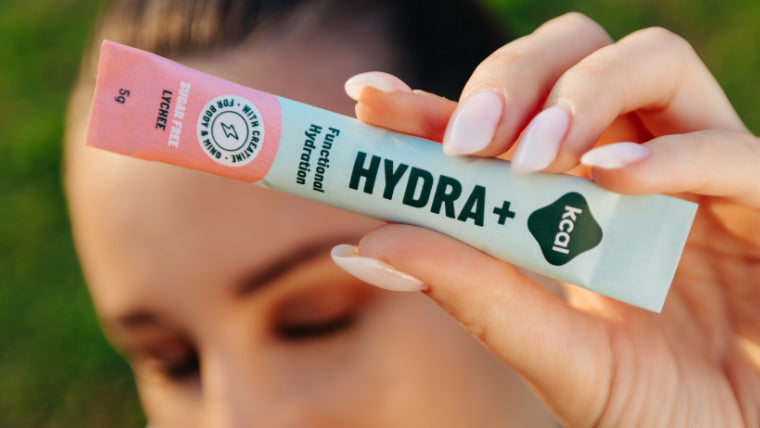
Hydra+ is built around the distinction above: a precise electrolyte blend without the added sugar that makes many traditional sports drinks a liability rather than a benefit. It's designed for the situations where electrolytes genuinely help (heat, exercise, high-output days) rather than as an everyday water replacement. Find out more about Hydra+ Electrolytes
Electrolytes are good for you
Electrolytes are good for you, essential, in fact. Whether an electrolyte drink is good for you depends on your activity level, your climate, your health history, and what else is in the formula. For most healthy, active people in a hot climate, a low-sugar electrolyte drink used around exercise or heat exposure is a genuine benefit. For people with kidney or heart conditions, it's a conversation to have with a doctor first.
FAQ
Can you drink electrolytes every day? For most healthy, active people, yes, particularly in hot climates. But the American Heart Association and multiple health systems caution against unnecessary overuse, since excess electrolytes can cause their own health issues.
Are electrolyte drinks bad for your kidneys? For people with healthy kidneys, occasional use isn't a major concern. For people with existing kidney disease, electrolyte drinks can be harder for the body to process safely, according to INTEGRIS Health and Banner Health.
Is it better to get electrolytes from food or drinks? Both work. Most people get sufficient electrolytes from a balanced diet, per Harvard Health and MD Anderson. Electrolyte drinks become more useful when fluid loss is higher than normal: heavy sweating, illness, or intense exercise.
References
- American Heart Association: Electrolytes can give the body a charge, but try not to overdo it
- Cleveland Clinic: Can You Drink Too Many Electrolytes?
- Cleveland Clinic: Sports Drinks: Are Electrolytes Healthy for You?
- Harvard Health Publishing: Gatorade. Liquid IV. Do you need extra electrolytes?
- Banner Health: What You Should Know About Electrolytes
- INTEGRIS Health: Are Electrolyte Drinks Good for You
- UT MD Anderson: Electrolytes 101: What to know
- AdventHealth: Are Electrolyte Drinks Actually Healthy?