Most people know electrolytes matter. Far fewer can explain why.
"They help with hydration" is true, but incomplete. Electrolytes run several of your body's core systems at once — and when levels drop, you feel it in ways that have nothing to do with thirst.
Here's what electrolytes actually do.
What do electrolytes do?
Electrolytes are minerals (sodium, potassium, calcium, magnesium, and chloride) that carry an electric charge when dissolved in your body's fluids. According to the NIH's StatPearls clinical reference, electrolytes are essential for basic life functioning, including maintaining electrical neutrality in cells and generating the nerve and muscle signals your body runs on.
That electrical role is the key to everything else they do. This includes:
- Regulating fluid balance
- Carrying nerve signals
- Controlling muscle contraction
- Stabilising your heart rythm
- Balancing blood pH
- Supporting blood pressure
Learn More: What Are Electrolytes?
Regulate your fluid balance
Sodium and potassium control how water moves between the inside and outside of your cells. Cleveland Clinic explains that electrolytes help the body regulate the balance of fluids inside and outside your cells — not just how much water you have, but where it goes.
This is why drinking water without electrolytes doesn't always solve dehydration. Your body needs sodium present to actually hold onto that water and distribute it where it's needed.
Carry your nerve signals

Every reflex, thought, and heartbeat depends on electrical impulses moving through your nervous system. The NIH describes electrolytes as responsible for generating and conducting action potentials in the nerves and muscles — the electrical pulses that let your brain communicate with the rest of your body.
Without enough sodium, potassium, and calcium in circulation, those signals weaken. That's part of why low electrolytes can cause brain fog and slowed reaction time, not just physical fatigue.
Control muscle contraction

Cleveland Clinic's breakdown of individual electrolytes notes that sodium aids nerve and muscle function, potassium supports heart, nerve, and muscle function, and magnesium aids nerve and muscle function as well.
All three work together to tell your muscles when to fire and when to release. When any one runs low, the signal misfires — which is why cramping is one of the earliest, most obvious signs of electrolyte loss during exercise or heat exposure.
Stabilise your heart rhythm

This is the function people underestimate most. Potassium and calcium play a direct role in regulating heartbeat, according to Cleveland Clinic. Quest Diagnostics adds that calcium is vital for regulating heart rhythm and blood pressure, alongside its role in muscle and nerve function.
Severe electrolyte imbalances are taken seriously in clinical settings specifically because of this — they can affect heart rhythm, not just muscle comfort.
Balance your blood's pH
Your blood operates within a narrow pH range, and electrolytes are part of what keeps it there. Cleveland Clinic notes that bicarbonate — an electrolyte — maintains a healthy balance of acids and alkaline compounds in the blood. Mayo Clinic Health System similarly lists pH stability as one of electrolytes' core functions, necessary for proper enzyme and organ function.
Support blood pressure
Sodium and chloride both play a role here. Quest Diagnostics notes that chloride helps regulate fluid balance, blood volume, and blood pressure, working alongside sodium's role in fluid regulation.
This is one reason electrolyte loss during heavy sweating can leave you feeling lightheaded — it isn't only about water volume, it's about the mineral balance controlling your blood pressure response.
Why this matters more in the heat
Every function above depends on electrolyte levels staying within a healthy range. You lose electrolytes daily through sweat and urine, and Cleveland Clinic points out that people working or exercising in hot climates, or engaged in prolonged high-intensity exercise, are among those most likely to need active replacement.
In a climate like the UAE's, that's not an occasional concern. It's a daily one.
Replacing electrolytes properly
A balanced diet covers most people's needs most days. But on high-sweat days, food alone often can't keep pace — and Cleveland Clinic's own guidance is to look for an electrolyte source without excess added sugar or dyes, rather than relying purely on traditional sports drinks.
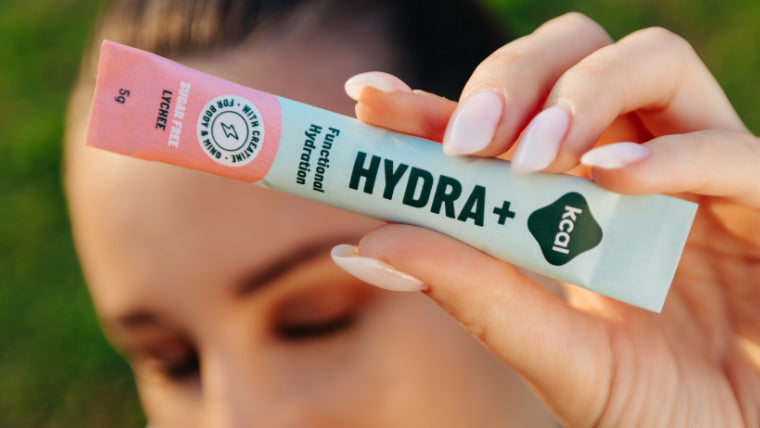
This is the gap Hydra+ is built to close: a precise electrolyte blend, formulated for how your body actually loses and needs these minerals — combined with creatine, so hydration and performance are handled in the same drink. Shop Hydra+ Electrolytes
Sometimes, water isn't enough
Electrolytes don't just "help with hydration." They run your fluid balance, your nerve signals, your muscle contractions, your heart rhythm, your blood's pH, and your blood pressure — all at once, all day. Understanding what they actually do makes it obvious why replacing them properly, not just drinking more water, is what keeps these systems running.
FAQ
What is the most important electrolyte? There isn't one single most important electrolyte — sodium, potassium, calcium, and magnesium each control different systems, and a deficiency in any one can cause problems.
Can low electrolytes affect your heart? Yes. Potassium and calcium play a direct role in heart rhythm regulation, which is why severe electrolyte imbalances are treated as a medical concern, not just a fitness issue.
Do electrolytes do anything besides hydration? Yes — they're responsible for nerve signaling, muscle contraction, blood pH balance, and blood pressure regulation, in addition to fluid balance.
References
- Cleveland Clinic — Electrolytes: Types, Purpose & Normal Levels
- Cleveland Clinic — Electrolyte Panel
- Cleveland Clinic — Best Electrolyte Sources
- NIH / NCBI StatPearls — Electrolytes
- Mayo Clinic Health System — What Are Electrolytes?
- Quest Diagnostics — Why Electrolytes Are Important